
At Ryburn, we want students to leave us as confident, thoughtful people who are ready to play an active part in the world. Personal Development sits at the heart of that ambition.
Our PSHCE programme has been carefully built and sequenced to be age-appropriate and genuinely meaningful. It draws on resources from the PSHE Association and Pol-Ed, and covers the knowledge, skills and attitude students need to thrive.
Pol-Ed is an evidence-based education programme that supports young people to engage critically with politics and democratic life. It gives students the tools to form their own views, understand how decisions are made, and see themselves as active participants in society rather than passive observers.
Our PD lessons are part of a broader identity curriculum. In Years 7 and 8, students work through our Character Codes, exploring what kind of people they want to be and how their values shape their choices. Across all year groups, students study British values, explore the protected characteristics, take part in Votes for Schools debates, receive bespoke careers education and complete regular current affairs quizzes that keep them connected to the wider world. They also have assemblies throughout the year that reinforce the learning they have undertaken and respond to any ongoing issues or concerns.
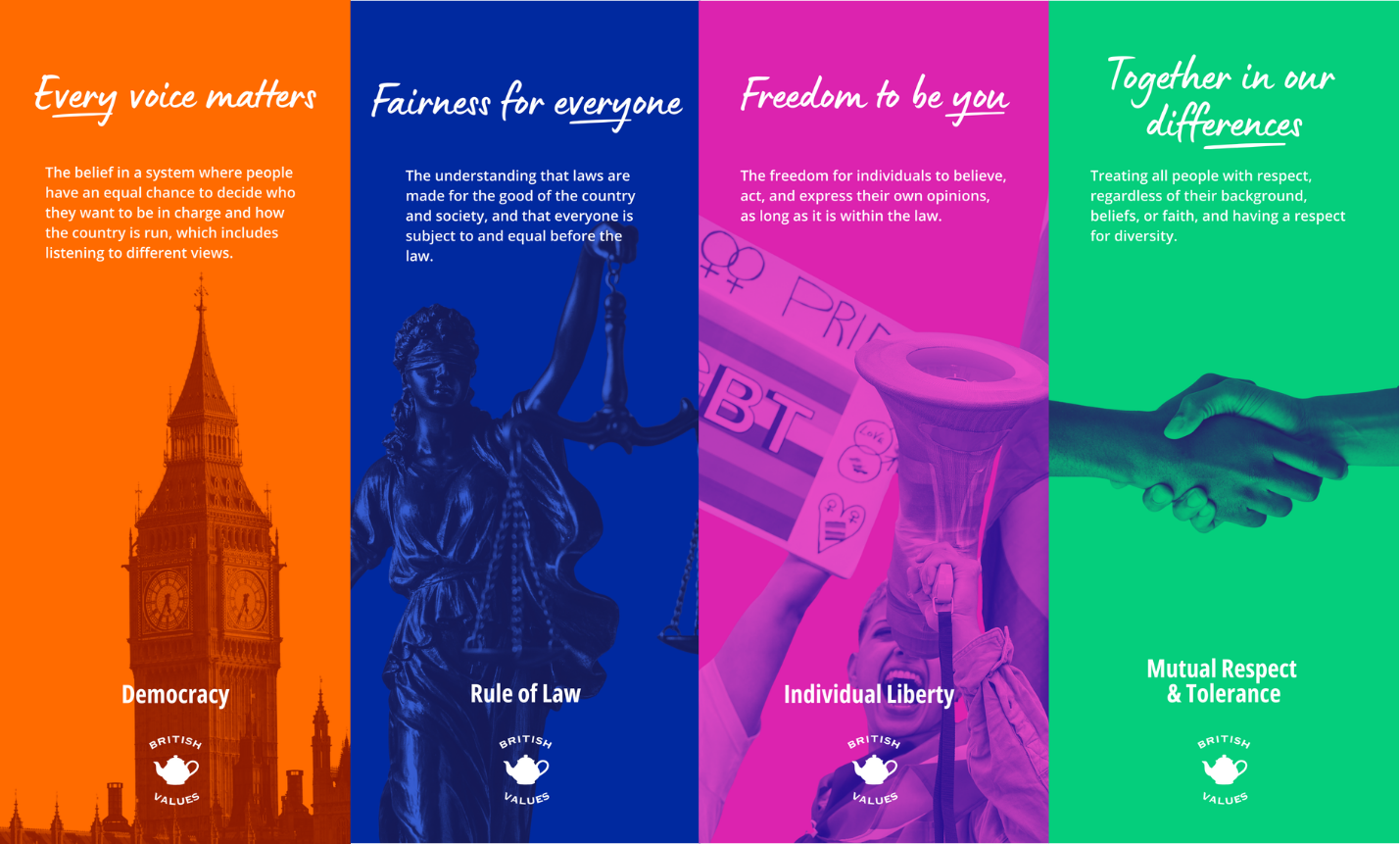
British values: Democracy, the rule of law, individual liberty, and mutual respect and tolerance of different faiths and beliefs, run through everything we do. Understanding these values helps students engage positively with others and with the society they are part of.
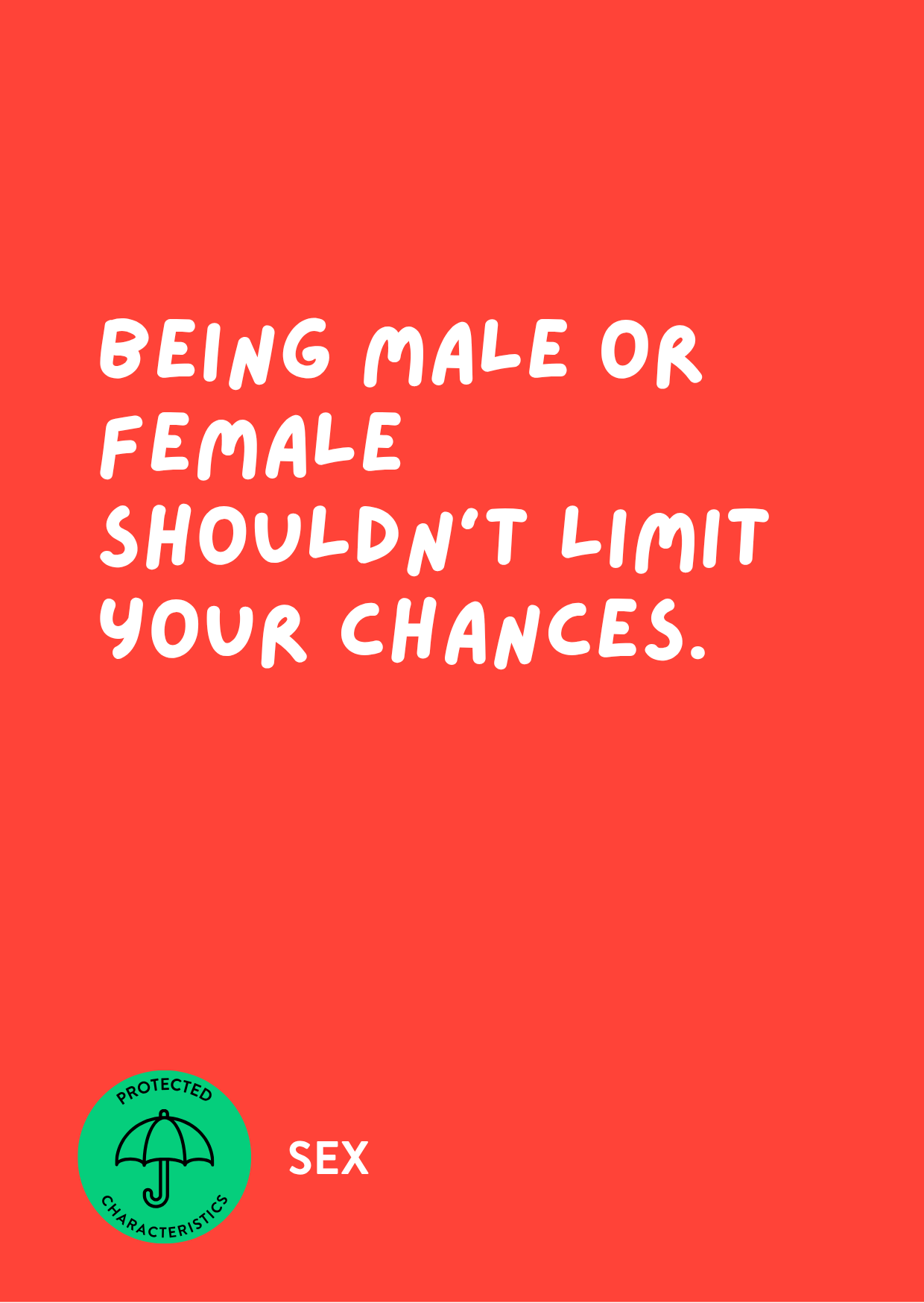
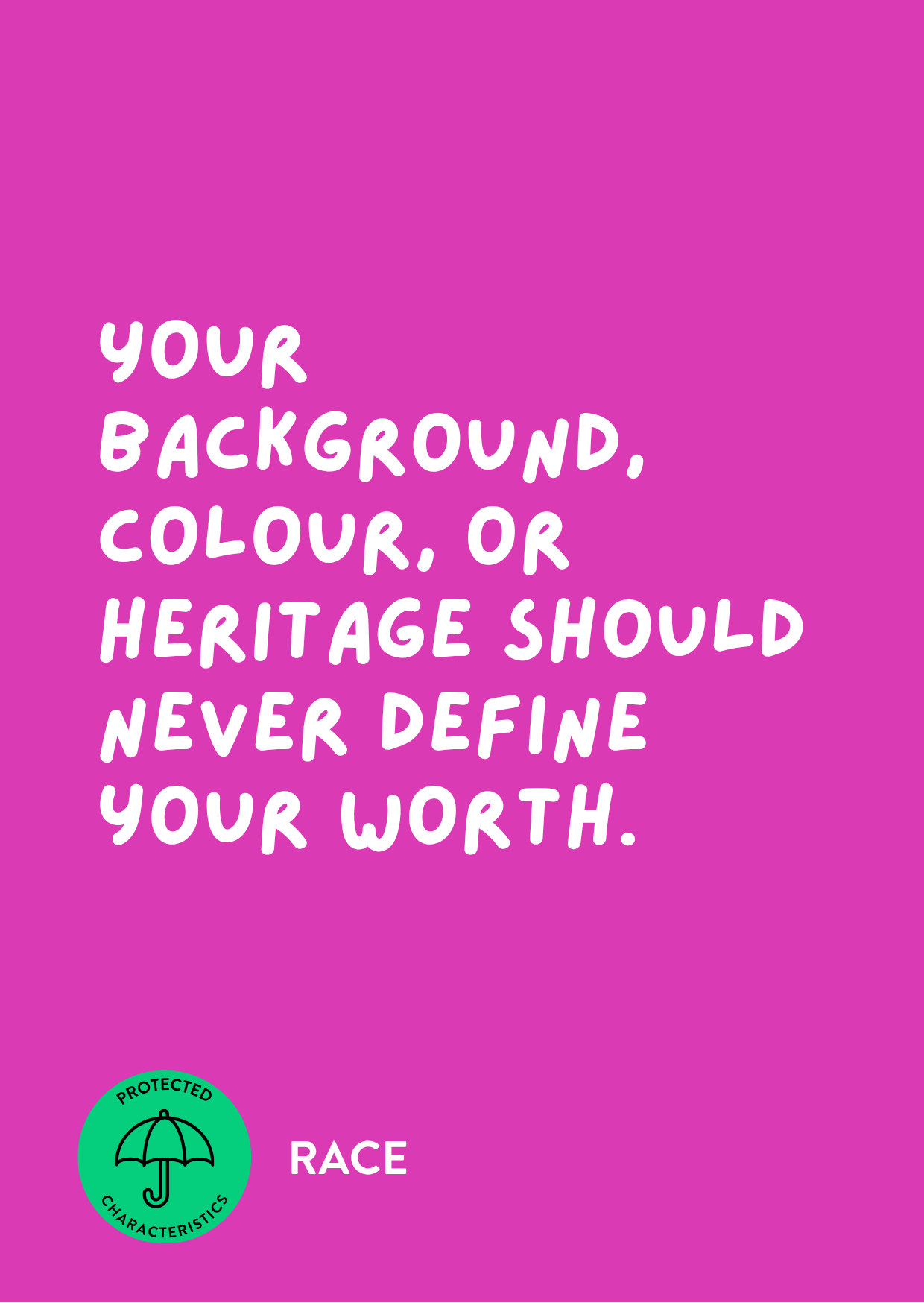
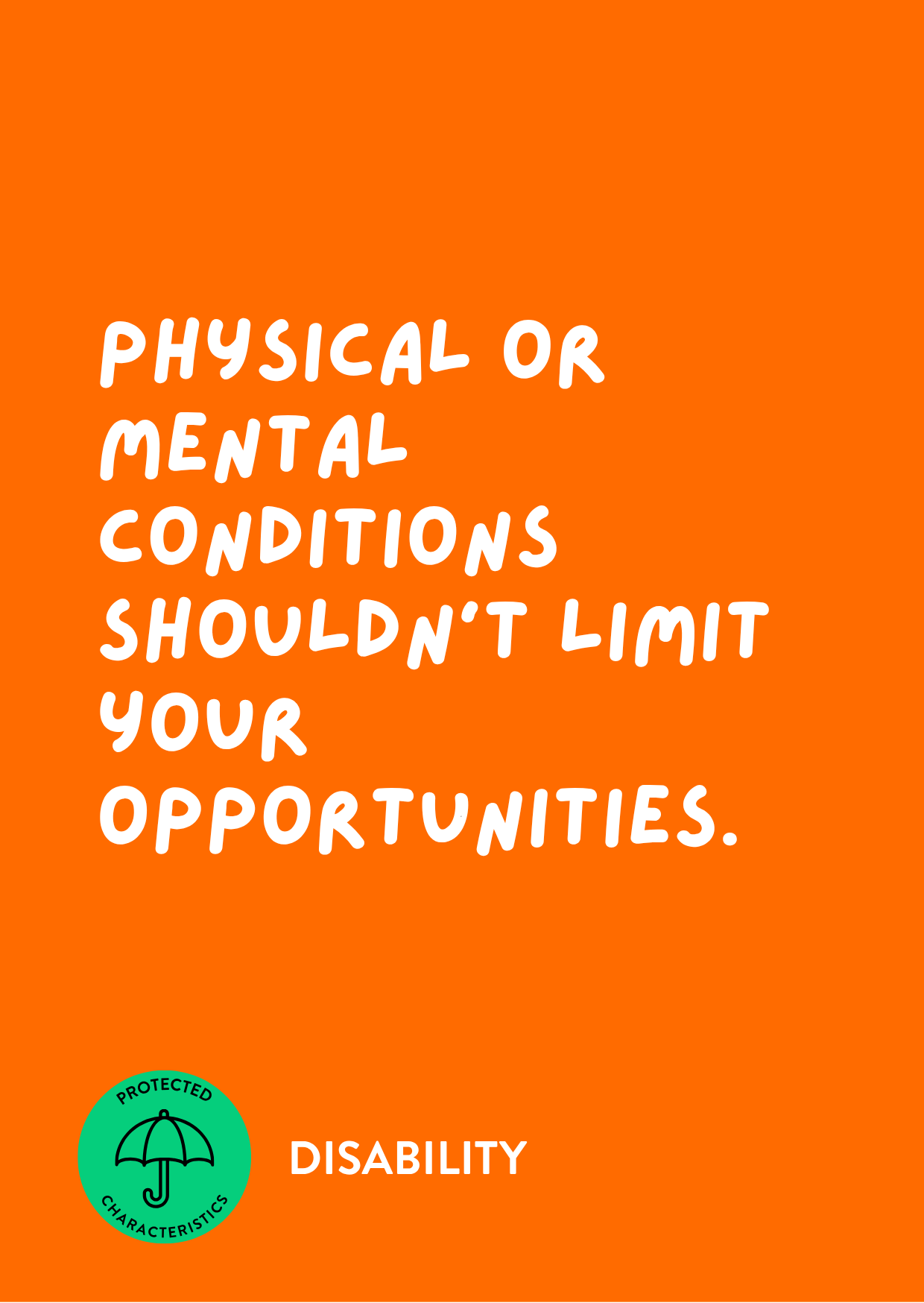
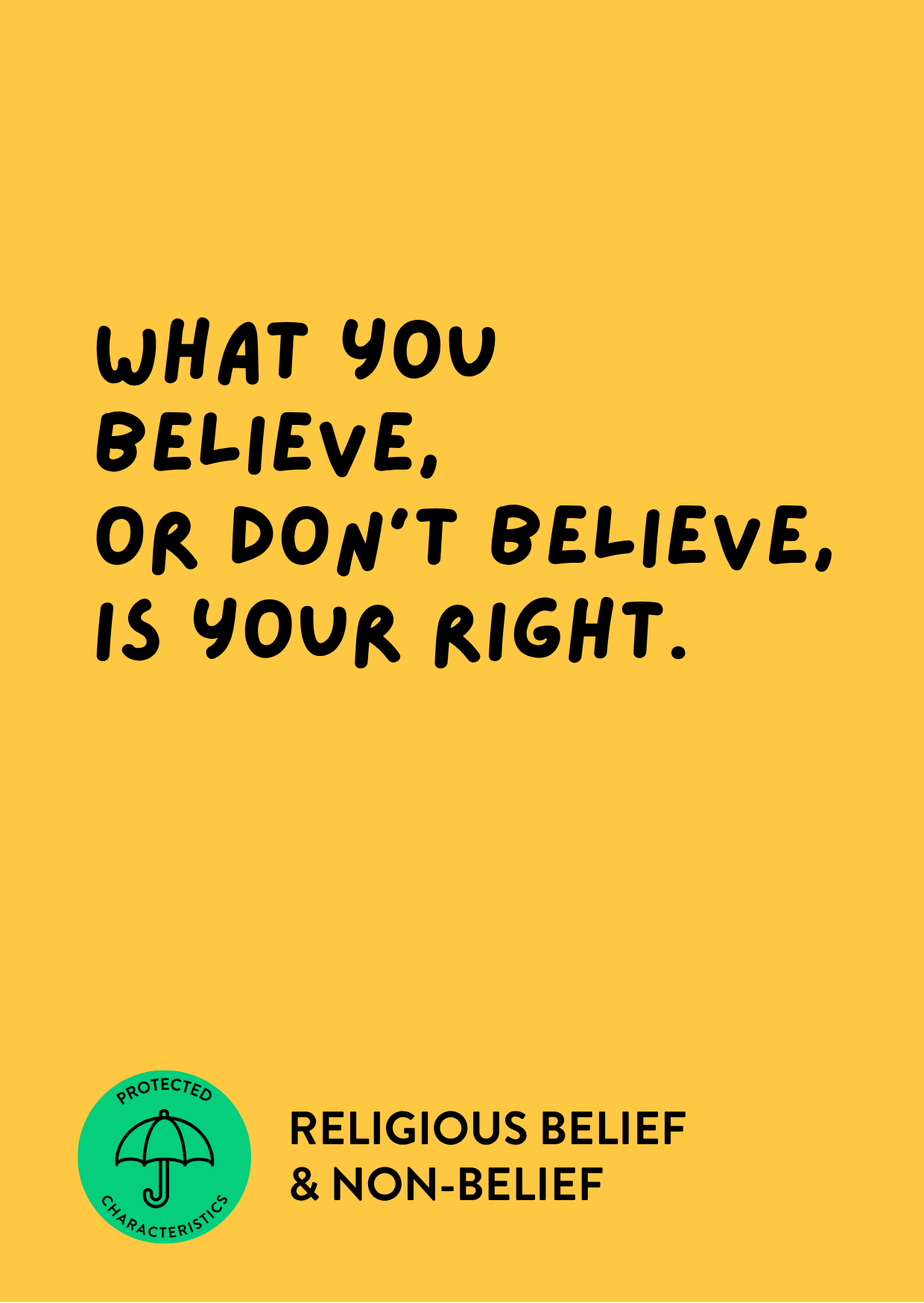
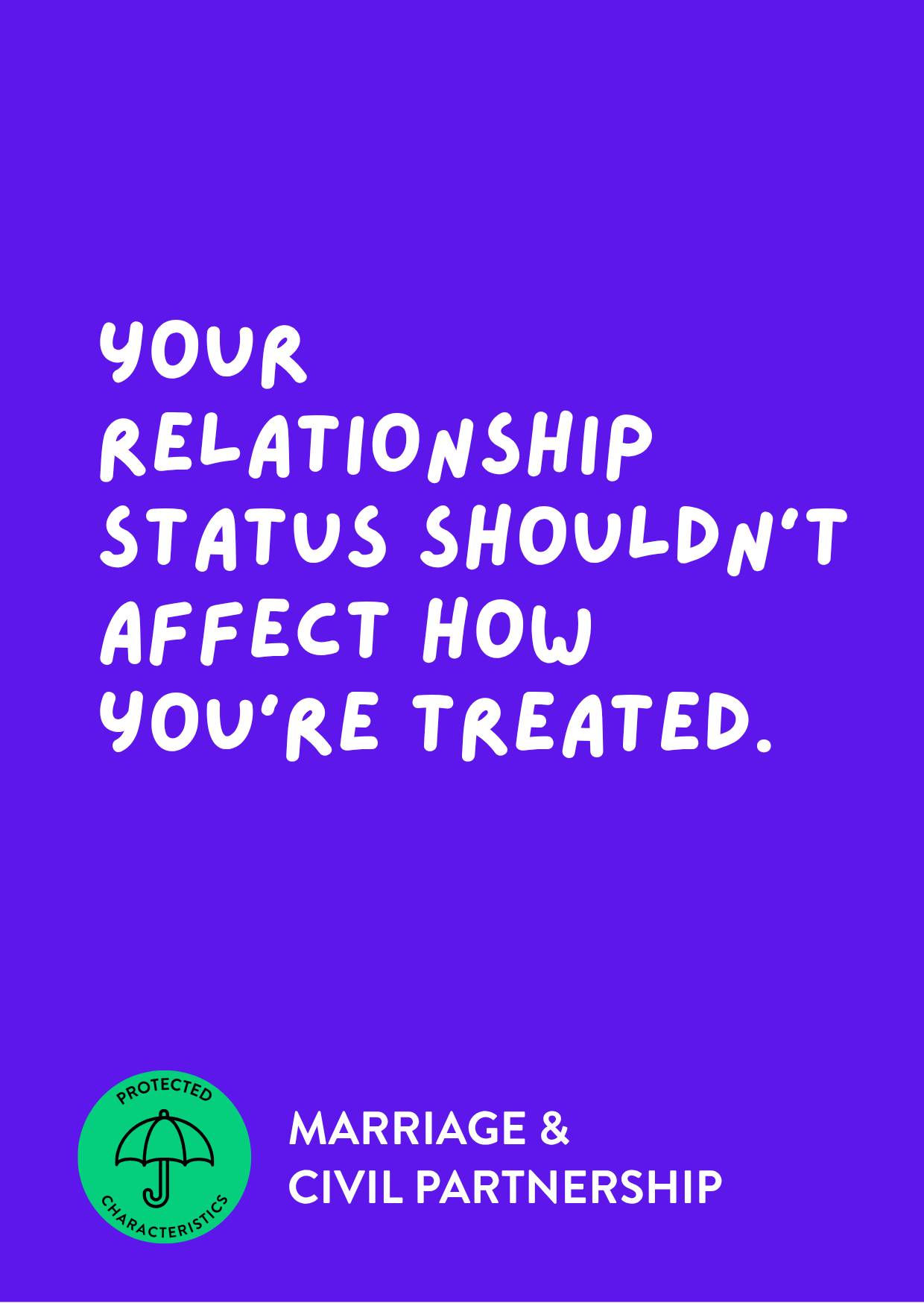
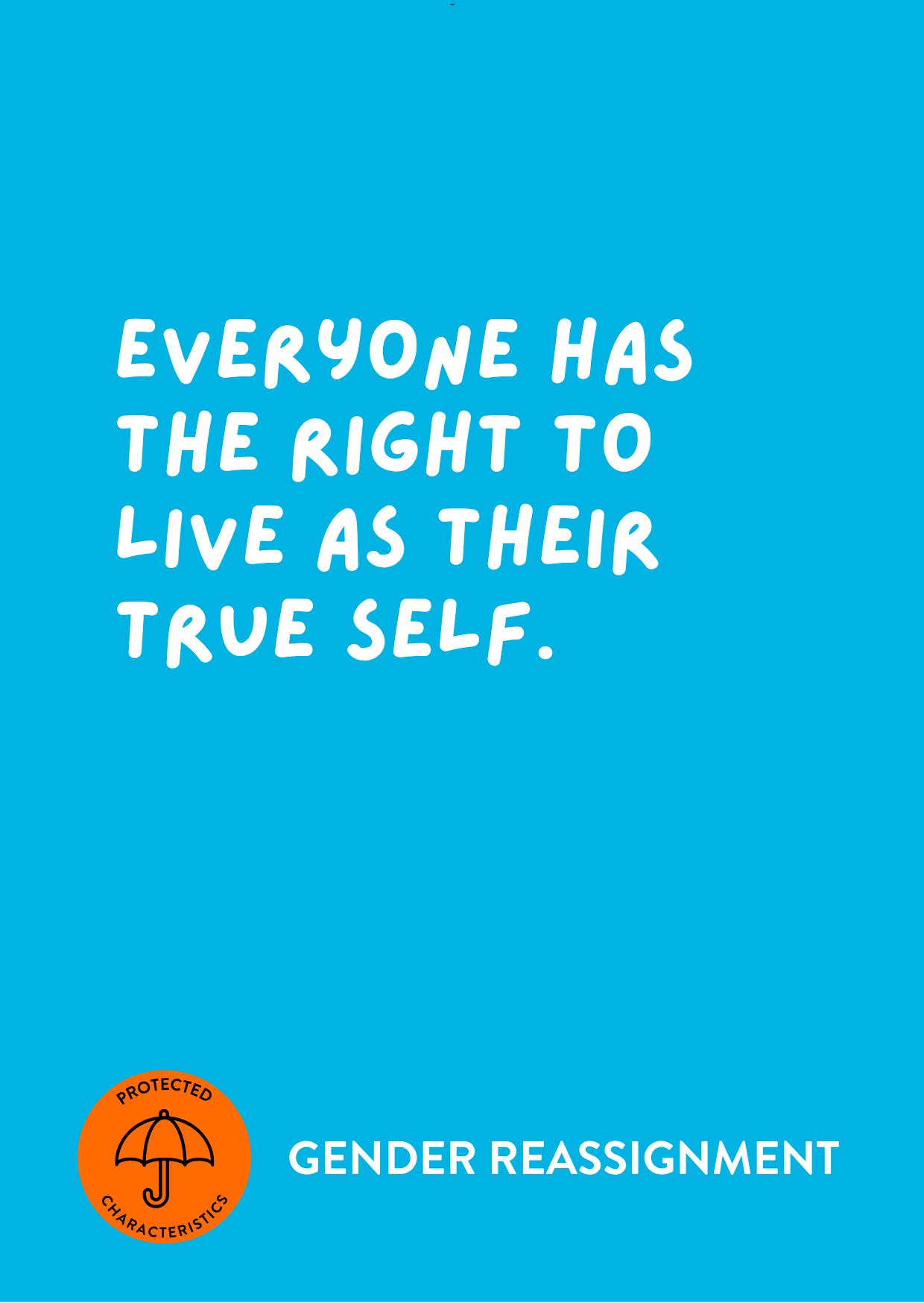
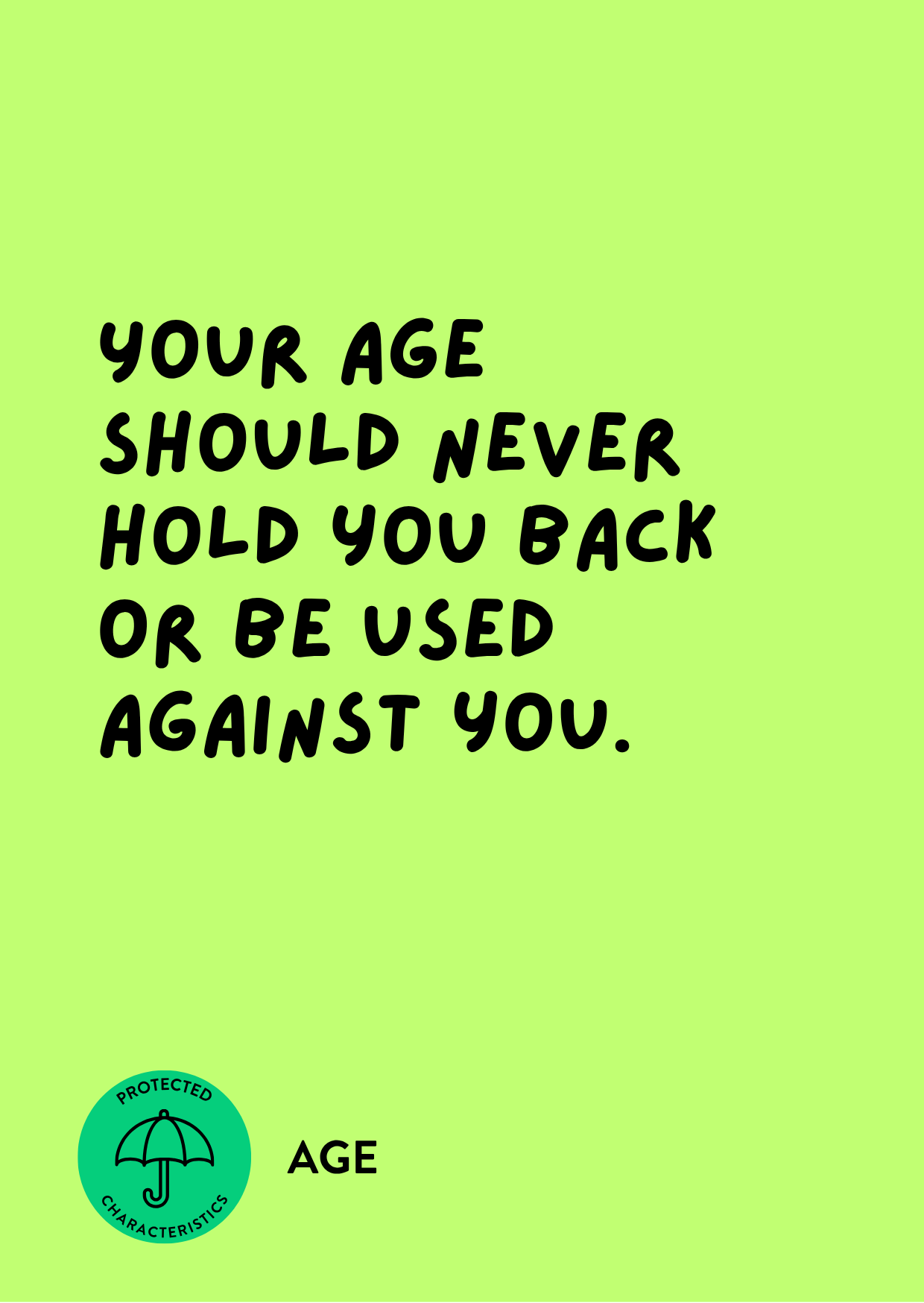
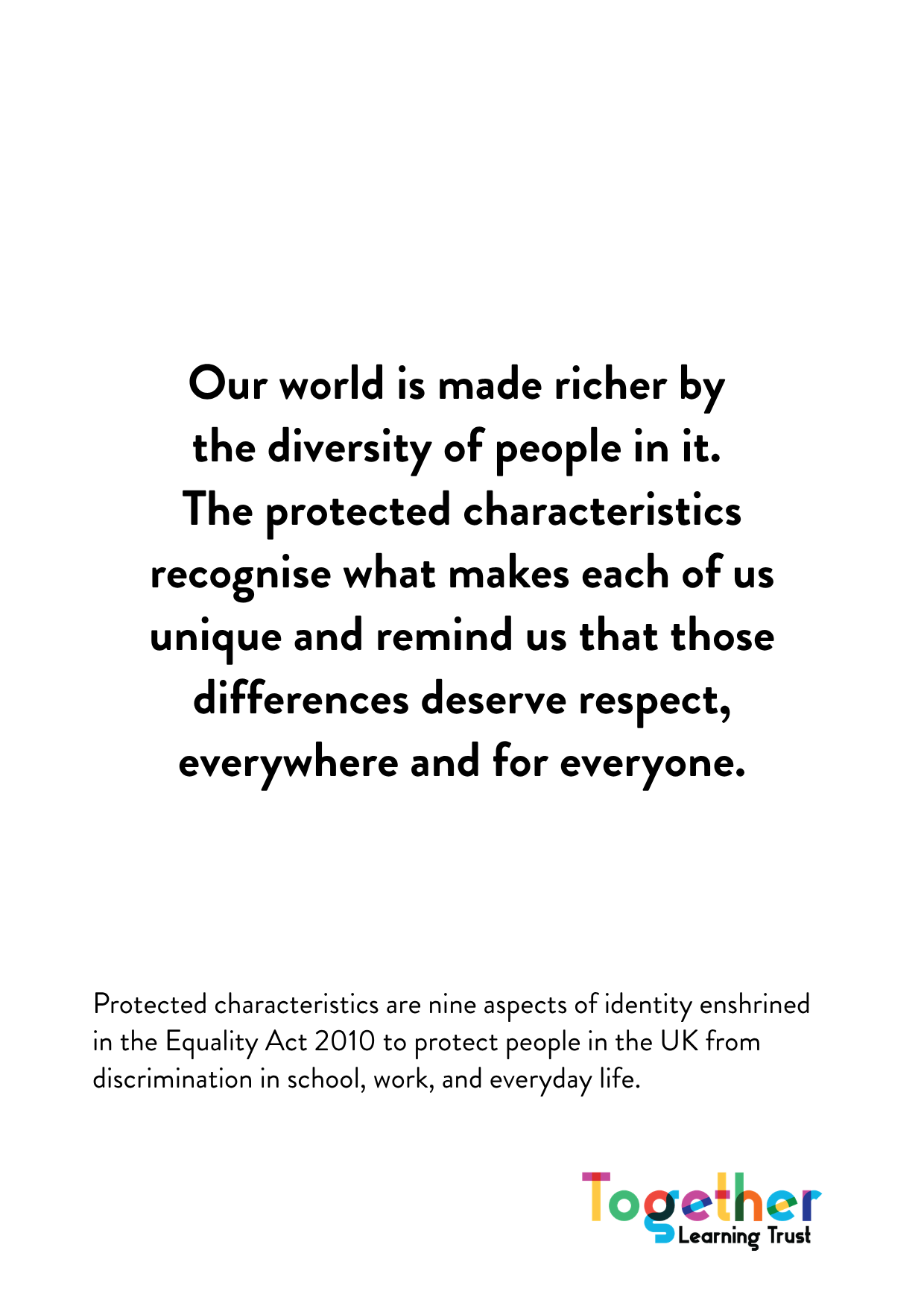
The protected characteristics, as defined by the Equality Act 2010, are the nine aspects of identity that the law protects from discrimination: age, disability, gender reassignment, marriage and civil partnership, pregnancy and maternity, race, religion or belief, sex, and sexual orientation. Learning about these helps students understand the rights of everyone around them, and builds a culture of respect across our community.
We also use the Zones of Regulation framework to support students' emotional wellbeing. It gives students a shared language for recognising how they are feeling and develops the self-regulation skills to manage those feelings in constructive ways, an essential part of building resilience.
Ryburn students learn how to stay safe and feel confident to develop happy and healthy relationships not only with others but with themselves too. As part of the Personal Development Curriculum we cover Relationships, Health and Sex Education (RHSE). We address the curriculum through a series of lessons and interactive sessions. External professionals also visit to deliver sessions on elements of the RSHE curriculum, bringing specialist knowledge and real-world context into the classroom.
Together, these strands develop the qualities that matter: resilience, empathy, self-awareness and a genuine sense of responsibility to the communities, our students are part of.